
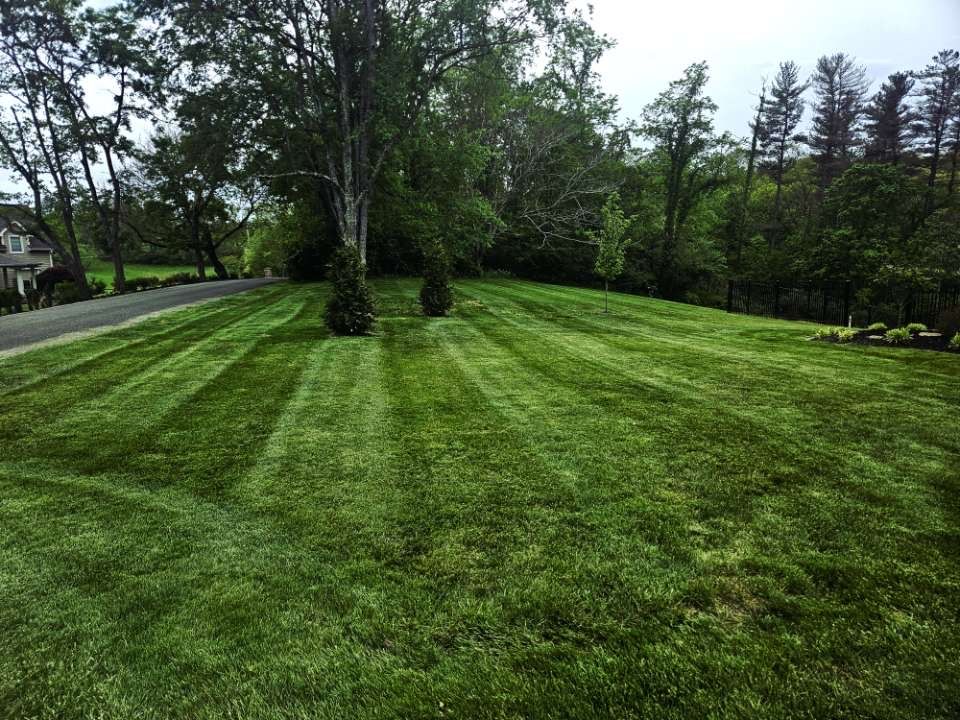
Restore Turf Density and Root Health
Lawn Aeration & Seeding in Athens for compacted soil and thin grass coverage
Soil compaction is a common problem in Athens lawns, particularly in high-traffic areas or properties with clay-heavy soil that compresses over time and restricts root growth. Compacted soil prevents water, air, and nutrients from reaching grass roots, which leads to thin turf, shallow root systems, and poor drought tolerance. Aeration removes small plugs of soil to relieve compaction and create channels for roots to expand, while overseeding introduces new grass plants into those openings to thicken the lawn. Brennan's Lawn & Landscaping combines both services to address soil structure and turf density at the same time, which produces faster, more visible improvement than either treatment alone.
Aeration is performed with a core aerator that pulls plugs from the soil rather than simply poking holes, which creates lasting openings that remain effective for months. Seed is spread immediately after aeration so it falls into the holes where it has direct soil contact and protection from drying out. The process works best during spring or fall when grass is actively growing and temperatures support germination.
Schedule seasonal lawn restoration to improve turf thickness and root development.
Why Aeration and Seeding Work Together
Aeration alone improves root penetration and nutrient absorption, but without seeding, lawns remain thin in areas where grass plants have died or thinned over time. Seeding without aeration often results in poor germination because seed sits on the soil surface where it dries out or gets displaced by rain. Combining both treatments addresses the soil structure problem and fills gaps in turf coverage simultaneously, which speeds recovery and reduces the time it takes for visible improvement.
After aeration and seeding, you'll see small soil plugs scattered across the lawn that break down naturally within a few weeks. New grass germinates within seven to fourteen days if conditions remain moist, and thin areas gradually fill in as seedlings mature. Over the following months, the lawn develops a thicker appearance with more uniform coverage and better color because new plants contribute additional density.
Aeration and seeding work best when followed by consistent watering during the germination period and when paired with fertilization to support new growth. The service does not include soil pH correction, grading, or installation of irrigation systems, which are separate projects.
What Property Owners Usually Ask
Questions about timing, care after treatment, and realistic expectations for improvement are common, especially from property owners dealing with long-term thinning or compaction issues.
What is the best time of year for aeration and seeding?
Fall is ideal in Athens because cooler temperatures and reliable rainfall support germination, and new grass has time to establish before winter, though spring applications also work if scheduled early enough to avoid summer heat stress.
How long does it take for new grass to fill in thin areas?
Germination begins within one to two weeks, but noticeable thickening takes four to six weeks as seedlings mature and existing grass responds to improved soil conditions from aeration.
What should be done to the lawn after aeration and seeding?
Keep the lawn moist with light, frequent watering until seedlings establish, avoid heavy foot traffic on newly seeded areas, and delay mowing until new grass reaches mowing height to prevent pulling immature plants.
Does aeration damage the lawn or leave it looking rough?
Soil plugs left on the surface after aeration break apart naturally within a few weeks and return organic matter to the soil, so the temporary rough appearance resolves on its own without additional work.
Why does compacted soil cause thin turf and poor growth?
Compacted soil restricts root expansion, limits water infiltration, and reduces oxygen availability in the root zone, all of which weaken grass and create conditions where weeds establish more easily than desirable turf.
Brennan's Lawn & Landscaping schedules aeration and seeding based on seasonal conditions and your lawn's current health. Contact (740) 856-2998 to arrange a lawn assessment and discuss restoration options.